
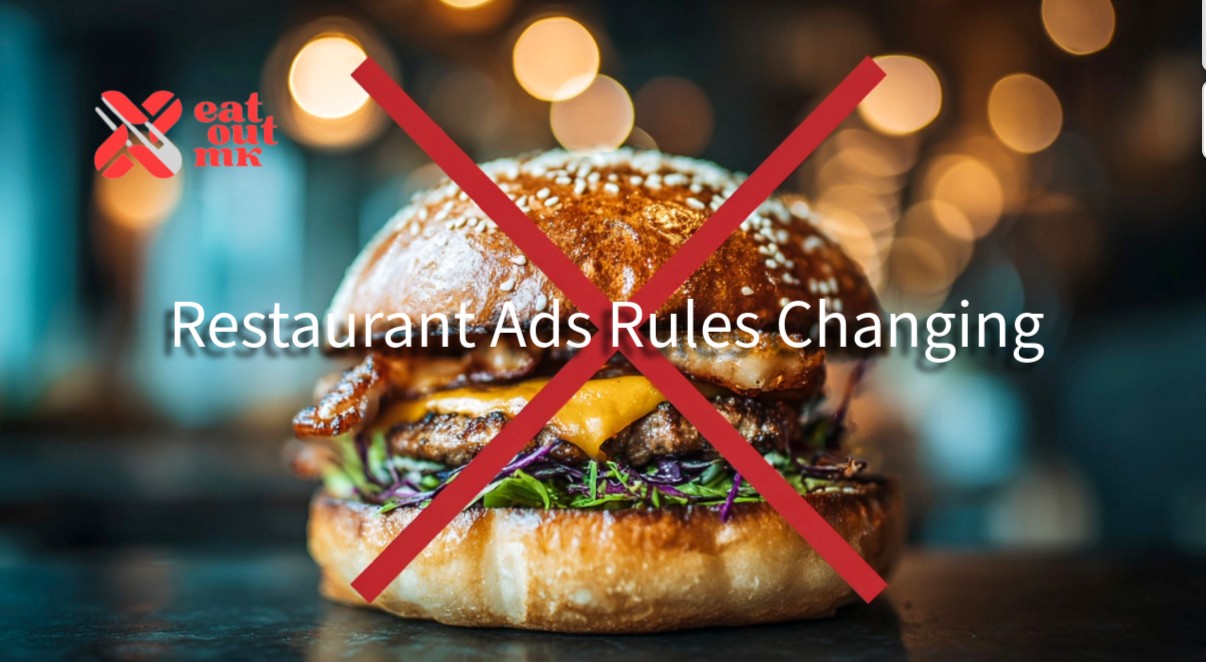
New 2026 HFSS Advertising Rules: What Restaurants Need to Know (and How to Stay Compliant)
From 5 January 2026, new UK rules on the promotion of High Fat, Salt and Sugar foods will come into force. These changes will affect how restaurants, takeaways, cafés, and food businesses run paid advertising, particularly online.
While these rules have received limited attention across the hospitality industry, they will directly impact some of the most common paid marketing tactics used today, especially influencer campaigns and paid social adverts featuring food imagery.
This article explains what the rules mean in plain English, who is most affected, and how restaurants can adapt without harming their visibility or bookings.
What Is HFSS?
HFSS stands for High Fat, Salt and Sugar.
Foods falling into this category include many everyday items served in restaurants, such as:
- Burgers, fried chicken, fish & chips
- Pizza and loaded fries
- Cakes, pastries, desserts and ice cream
- Milkshakes, sugary drinks
- Chocolate and confectionery
- Many indulgent sides and comfort foods
In short, a large proportion of typical restaurant menus may be considered HFSS for advertising purposes.
Where the New Advertising Restrictions Apply
The restrictions apply specifically to paid advertising that promotes identifiable HFSS food or drink products.
This includes paid placements across both digital and traditional media.
Online and digital advertising
Paid Meta ads on Facebook and Instagram
TikTok advertising
Google Ads and YouTube ads
Sponsored influencer content
Paid display banners
Paid promotional placements on third party platforms
Offline and traditional advertising
Television advertising
Radio
Newspapers and magazines
Billboards and transport advertising
Cinema advertising
If a business pays to promote advertising that features identifiable HFSS products, the rules apply.
Who Is Most Affected?
Influencer marketing is expected to be one of the areas most heavily affected.
Sponsored posts where influencers promote specific dishes, desserts, or sugary drinks are far more likely to fall foul of the rules, particularly where food is clearly identifiable and forms the focus of the promotion.
By contrast, organic social media posts and unpaid content are not covered by the legislation.
Importantly for EatOutMK partners:
Organic restaurant listings are not affected
Editorial coverage is not affected
Organic social promotion is not affected
Standard directory listings remain compliant
The restrictions focus on paid advertising, not organic visibility or discovery.
What This Means for Restaurants
The biggest practical impact will be on paid adverts that showcase HFSS food items.
Once the rules are enforced, these ads may be restricted, rejected, or disapproved by platforms such as Meta, Google, and TikTok.
This may affect:
Paid social ads showing burgers, desserts, or sugary drinks
Boosted posts featuring HFSS menu items
Influencer collaborations focused on specific dishes
Paid campaigns promoting food led offers
For restaurants that rely heavily on paid food imagery to drive bookings, this represents a meaningful shift in how advertising needs to be approached.
Why Many Businesses Are Not Aware Yet
Hospitality businesses have faced years of operational pressure, including:
Staffing challenges
Rising costs
Energy price volatility
Ongoing regulatory changes
As a result, advertising regulation has not always been front of mind. Even many marketing agencies have not fully prepared for these changes, meaning some restaurants may only discover the impact once ads begin to be rejected.
How Enforcement Is Likely to Work
In practice, enforcement is expected to be driven largely by advertising platforms themselves rather than direct government intervention.
Platforms already use automated systems to analyse images and text within adverts. This means ads featuring HFSS food imagery may be flagged or rejected before they ever go live.
Understanding this in advance allows businesses to adapt rather than react.
How Restaurants Can Prepare Now
Restaurants do not need to stop advertising, but they do need to adapt how they advertise.
Effective approaches include:
1. Focus on non food specific paid ads
Such as venue imagery, interiors, atmosphere, staff stories, and brand messaging.
2. Separate organic and paid content
Food focused content can still be used organically, while paid campaigns focus on experience and brand.
3. Shift towards experience led marketing
Examples include date nights, celebrations, live music, or social occasions without highlighting specific dishes.
4. Use video to showcase atmosphere
Short videos showing ambience and service rather than individual menu items remain a safe and effective option.
5. Work with partners who understand the rules
This removes the burden of interpreting legislation internally.
We Have Created a Simple Guide for Restaurants
To help businesses prepare, we have created a short and practical 2026 Restaurant Advertising Compliance Guide.
It includes:
A simple HFSS awareness checklist
Examples of advertising that may be restricted
Examples of advertising that remains compliant
A breakdown of commonly affected food types
Guidance on adapting advertising strategies ahead of 2026
Final Thoughts
The 2026 HFSS advertising rules will change how paid restaurant advertising works, but they do not prevent restaurants from promoting themselves effectively.
Organic promotion, directory listings, and editorial coverage remain unaffected. With thoughtful adjustments and the right strategy, restaurants can continue reaching customers without disruption.
Preparing now puts businesses ahead of the curve rather than scrambling once enforcement begins. If you would like support creating compliant, high performing restaurant advertising, the EatOutMK team is here to help.